

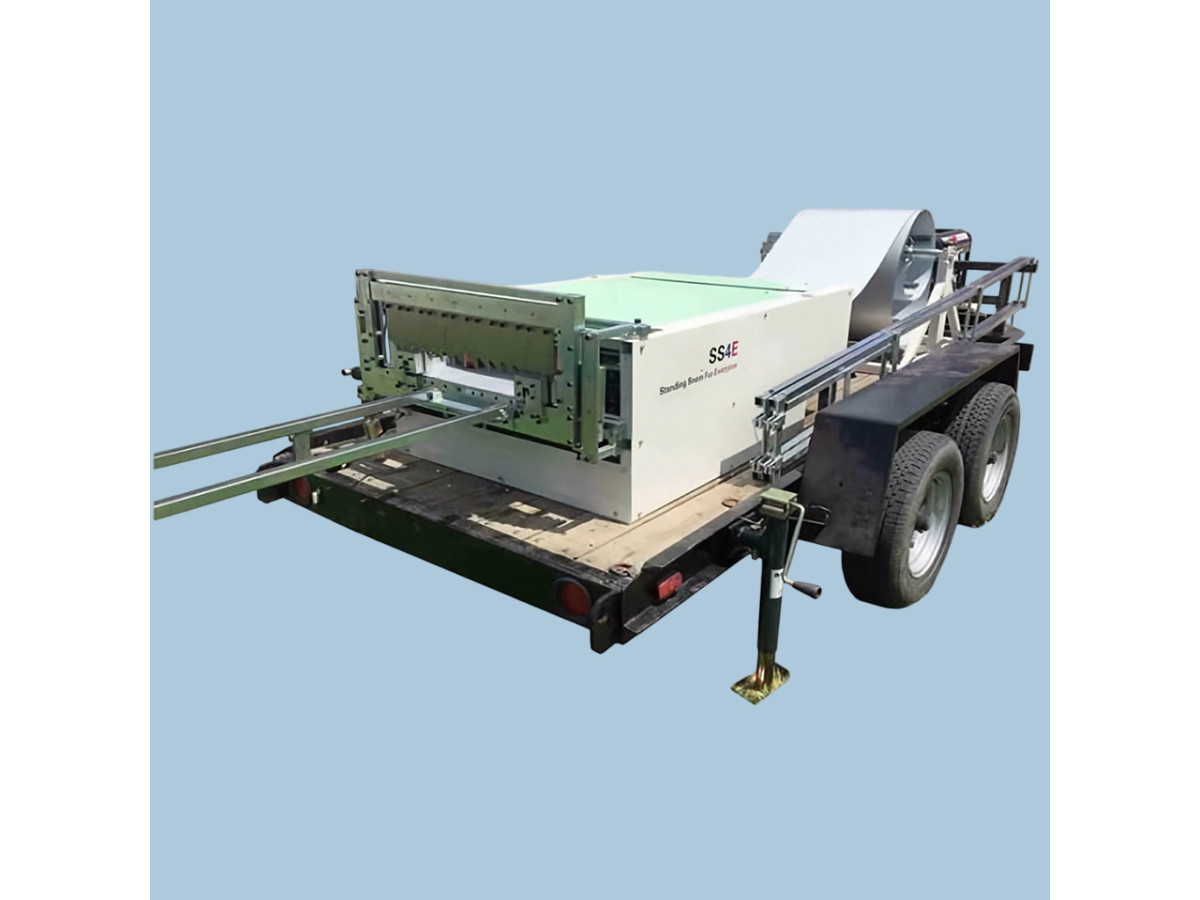
If you’ve ever dealt with metal roofing, you already know the real problem: long metal panels are awkward to transport, easy to damage, and expensive to replace if something goes wrong. That’s the main reason roofing roll forming machines are no longer just factory equipment — they are now commonly used directly on a job site.
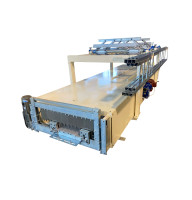
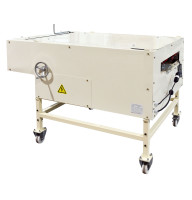
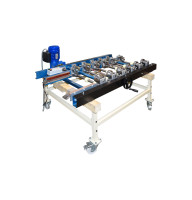
Machines like SS4E JUNIOR Standing Seam Machine, SS4E-15 Standing Seam Roof Machine, and SS4E-PRO Portable Roof Machine are designed exactly for this shift. Instead of delivering finished panels, crews now bring a machine and produce panels right where they are needed.
But the real question is not “can you use them on a job site?” — it’s “what does it actually take to make it work properly?”
When On-Site Production Actually Makes Sense
On-site roofing production is not for every project. It becomes useful when:
- The roof is large enough that logistics become a problem
- Panels need to be extremely long (no joints or seams in between)
- Delivery of finished panels is risky or expensive
- Adjustments in panel length happen during installation
On a small residential roof, bringing a full production setup can feel like overkill. But on commercial buildings like warehouses or industrial halls, it often becomes the most practical solution.
The key idea is simple: the bigger the project, the more value you get from producing panels directly on the job site.
What a Job Site Needs to Run These Machines
A roofing machine doesn’t require a perfect factory environment, but it does need order. Successful crews always prepare three things:
1. A stable working area
The machine must sit on solid ground. If it shifts or vibrates, the panel quality drops immediately. Even small instability becomes visible in long standing seam panels.
2. Power and reliability
Most machines run on standard electrical supply or a generator. The important part is not just power, but consistency. Voltage drops can affect performance and output quality.
3. Material flow
This is where most job sites fail. You need a clear path:
- coil delivery area
- feeding zone
- panel exit zone
- installation zone on the roof
If these zones overlap, production slows down fast.
Safety on a Job Site
Safety is not just a checklist — it directly affects output.
- The machine area must stay clear at all times
- Only trained operators should adjust rollers or controls
- Hands should never enter moving sections during operation
- The roofing crew and machine crew must coordinate constantly
One of the most common real-world problems is communication. If the feeding team is faster than the installers on the roof, panels start piling up and damage risk increases.
Weather also matters more than people expect. Wind or rain doesn’t just slow work — it can ruin alignment during feeding.
Comparison of Three Machines for Job Site Use
| Feature | SS4E JUNIOR | SS4E-15 | SS4E-PRO |
|---|---|---|---|
| Real job site role | Starter / small jobs | Professional daily use | Full production system |
| Output speed | Moderate | Stable and efficient | Very high |
| Ease of use | Simple | Medium complexity | Advanced system |
| Profile flexibility | Limited | Good range | Multiple systems |
| Setup effort | Low | Medium | High |
| Best environment | Small crews | Regular contractors | Large commercial projects |
How Each Machine Feels in Real Work
SS4E JUNIOR
This is the machine people usually start with. It’s simple, manageable, and forgiving. On a job site, it works best when projects are small and the crew is still learning how everything flows together.
SS4E-15
This is the “workhorse” level. It feels balanced — not too complex, but stable enough for daily professional use. This is often the point where teams move from experimenting to running a real business.
SS4E-PRO
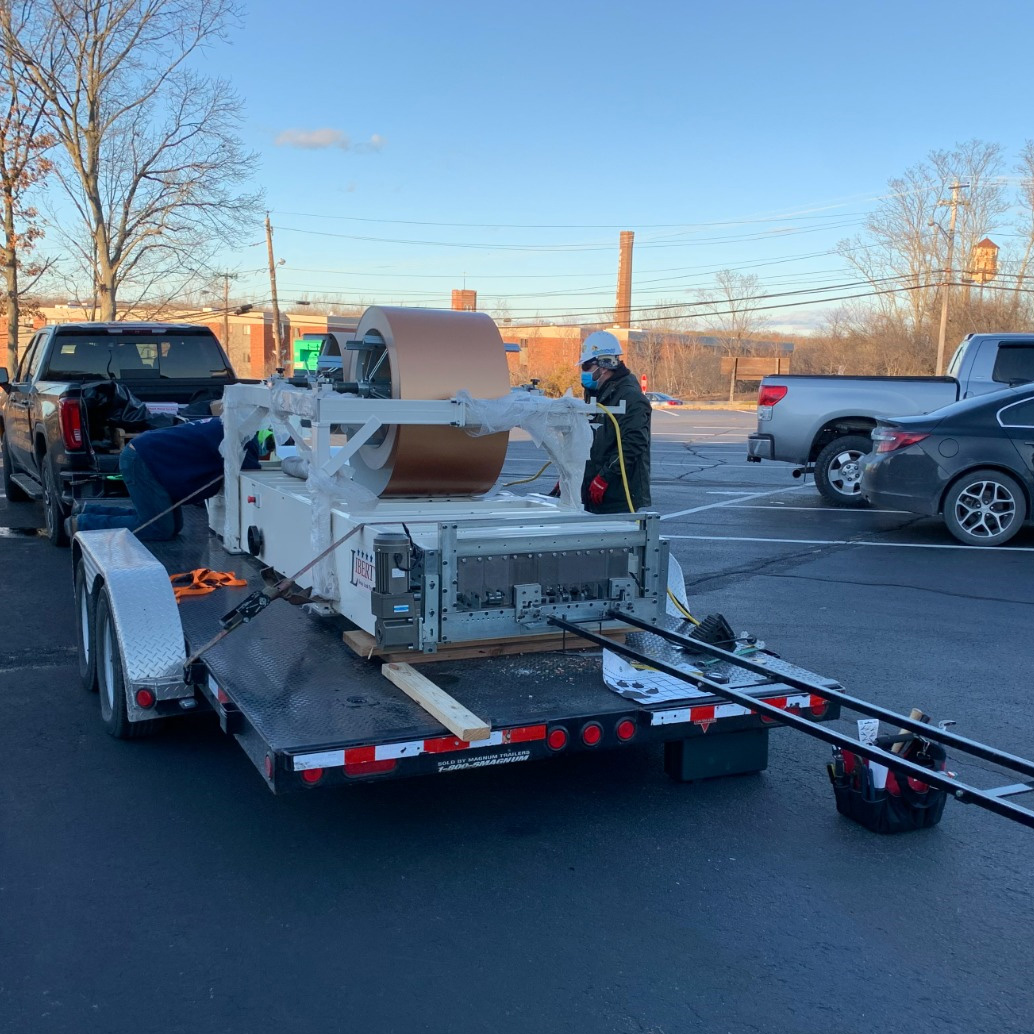
This is a mobile production system. Powerful, fast, and flexible, but only effective when the job site is organized and workflow is continuous. Without steady projects, it becomes underused equipment.
Do You Need a Trailer?
- SS4E JUNIOR → usually transportable in a van or pickup
- SS4E-15 → often benefits from trailer mounting
- SS4E-PRO → practically designed for trailer-based operation
A trailer improves setup speed, stability, and transport safety. It also makes daily job site operations more predictable.
Pros and Cons of Job Site Roofing Machines
Advantages:
- No transport of long finished panels
- Custom panel lengths
- Less material waste
- Faster installation workflow
- Real-time adjustments on site
Disadvantages:
- Requires experienced crew coordination
- Sensitive to weather conditions
- Higher dependency on operator skill
- Risk of production errors
- Setup complexity on smaller jobs
Final Conclusion
Roofing machines work extremely well on a job site, but only when the workflow is organized properly.
SS4E JUNIOR is for small and learning crews. SS4E-15 is the balanced professional solution. SS4E-PRO is a full mobile production system for large-scale work.
Success is not only about the machine — it is about coordination between people, material flow, and timing on the job site.