

The American exterior cladding market continues to evolve as homeowners, builders, and developers seek products that combine architectural appeal with long-term performance. Among the fastest-growing segments in residential and light commercial construction is board and batten metal siding—a profile that has moved far beyond its historical roots to become a major opportunity for manufacturers, roll formers, and contractors across North America.
Originally associated with traditional wood construction, board and batten has experienced remarkable growth over the past decade. What was once considered a regional architectural style has expanded into mainstream residential construction, post-frame buildings, barndominiums, multifamily developments, and light commercial projects. Today, the demand for vertical metal siding profiles continues to accelerate throughout the United States, Canada, and Mexico.
From Traditional Wood Design to Modern Metal Construction
Board and batten architecture has long been valued for its clean vertical lines and timeless appearance. Historically manufactured from wood, these systems required regular maintenance and were vulnerable to moisture, insects, and dimensional instability.
Modern metal board and batten systems preserve the traditional aesthetic while delivering significant performance advantages. Manufactured from steel or aluminum coil, these profiles offer superior durability, weather resistance, dimensional stability, and low maintenance requirements. As a result, architects, builders, and homeowners increasingly view metal board and batten as a premium exterior solution that combines classic design with modern performance.
This transition from wood to metal has created substantial opportunities for manufacturers capable of producing architectural metal siding profiles efficiently and competitively.
Strong Demand in Residential Construction
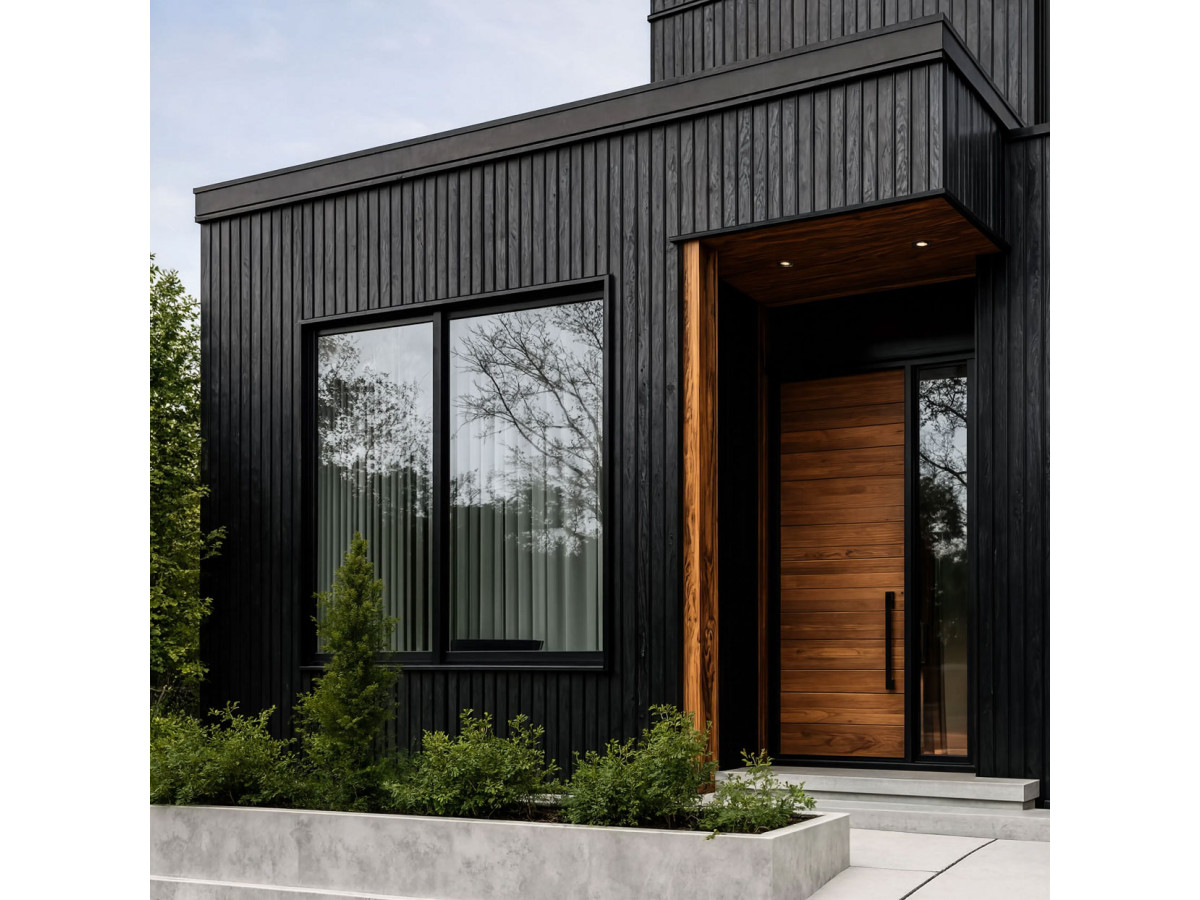
The residential market remains the primary growth driver for board and batten metal siding. Homeowners continue to favor architectural styles such as modern farmhouse, contemporary rural, Scandinavian-inspired, and transitional residential design—all of which prominently feature vertical board and batten facades.
The rapid growth of barndominiums and residential post-frame construction has further accelerated demand. Builders who previously relied primarily on traditional ribbed exposed-fastener panels are increasingly incorporating concealed-fastener board and batten profiles to achieve a more refined architectural appearance while maintaining the efficiency advantages of post-frame construction.
This trend is particularly visible across the Midwest, South, Mountain West, and rapidly growing suburban markets throughout the United States.
Expanding Opportunities in Light Commercial Construction
Beyond residential applications, board and batten metal siding has gained significant traction in light commercial construction.
Architects and developers increasingly specify vertical architectural metal panels for:
- Retail centers
- Office buildings
- Restaurants
- Agricultural commercial facilities
- Hospitality projects
- Mixed-use developments
- Community buildings
- Commercial post-frame structures
The clean vertical appearance of board and batten systems aligns with contemporary architectural trends while providing the durability and reduced maintenance costs demanded by commercial property owners.
As a result, manufacturers capable of supplying architectural metal siding products can access markets with higher margins and greater design flexibility than traditional commodity panel production.
Why Board and Batten Represents a Major Opportunity for Roll Formers
For roll formers and metal building manufacturers, the growth of board and batten represents more than a design trend—it represents a strategic business opportunity.
Unlike commodity siding products that often compete primarily on price, board and batten profiles allow manufacturers to differentiate themselves through architectural value and product specialization. In many cases, existing coil inventories can be used for production, reducing barriers to entry and minimizing capital investment requirements.
Key advantages include:
- Higher profit margins compared to commodity panels
- Growing demand across multiple construction sectors
- Product differentiation in competitive markets
- Compatibility with existing metal coil supply chains
- Opportunities in both residential and commercial construction
- Expansion into architectural metal siding markets
As contractors increasingly seek products that distinguish their businesses from competitors, board and batten provides an accessible pathway toward premium product offerings.
The Growing Role of Portable Production
Another factor driving market growth is the increasing adoption of portable roll forming technology. Contractors and manufacturers are recognizing the advantages of producing architectural metal siding panels directly at the jobsite or regional production facility.
Portable manufacturing systems reduce transportation costs, eliminate panel length limitations, improve project scheduling flexibility, and allow producers to respond quickly to custom architectural requirements.
This production model has become particularly attractive in the growing post-frame and barndominium markets, where customized panel lengths and rapid project turnaround are essential.
How StanGroup (DBA Liberty Seamless Machinery) Supports This Growing Market
Recognizing the rapid expansion of architectural metal siding markets, StanGroup (DBA Liberty Seamless Machinery) has developed advanced portable roll forming solutions designed specifically for modern board and batten production.
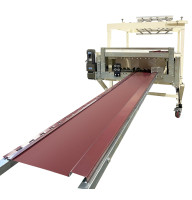
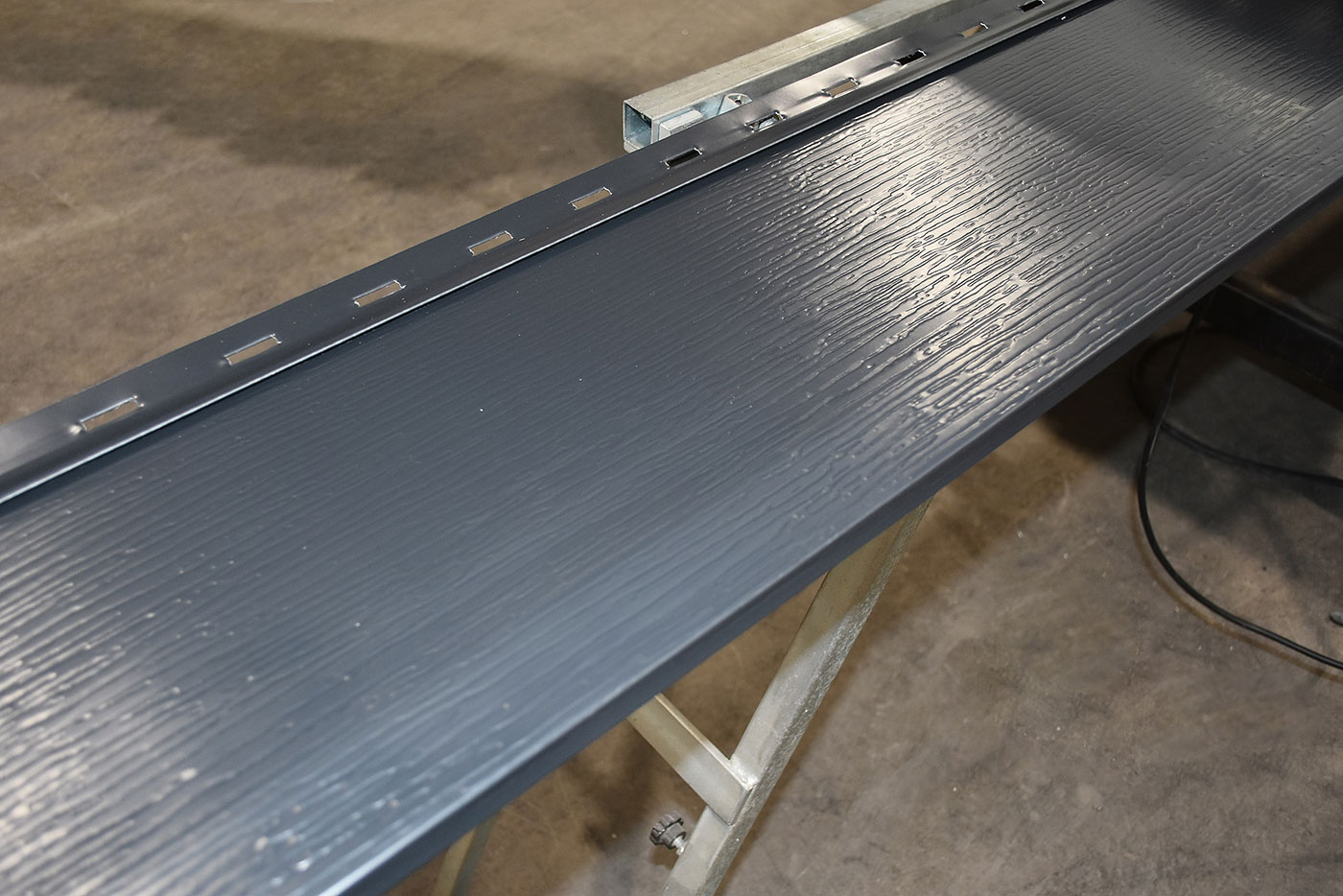
The company's SS4E-PRO Portable Seamless Board & Batten Metal Siding Roll Former enables contractors, manufacturers, and roll forming businesses to produce architectural metal siding profiles directly on-site or in a production facility. Its compact, trailer-ready design provides exceptional flexibility while supporting the growing demand for premium exterior cladding systems.
Key advantages include:
- Portable, trailer-mounted operation
- Production of architectural board and batten metal siding profiles
- Seamless panel manufacturing capabilities
- Flexible deployment at jobsites or workshops
- Factory-direct pricing
- Availability throughout the USA, Canada, and Mexico
- Equipment inventory maintained in Pennsylvania for rapid delivery
As demand for architectural metal siding continues to expand across North America, portable roll forming technology offers manufacturers an opportunity to enter high-growth markets while maintaining operational flexibility and competitive advantage.
Looking Ahead
The growth of board and batten metal siding reflects broader changes occurring throughout the construction industry. Homeowners increasingly prioritize architectural design, builders seek product differentiation, and manufacturers pursue higher-margin opportunities beyond traditional commodity panels.
For roll formers, contractors, and manufacturers willing to invest in architectural metal siding production, board and batten represents one of the most promising growth segments in today's North American construction market.
As residential, post-frame, barndominium, and light commercial construction continue to evolve, board and batten metal siding appears positioned not merely as a trend, but as a long-term market category with substantial growth potential.